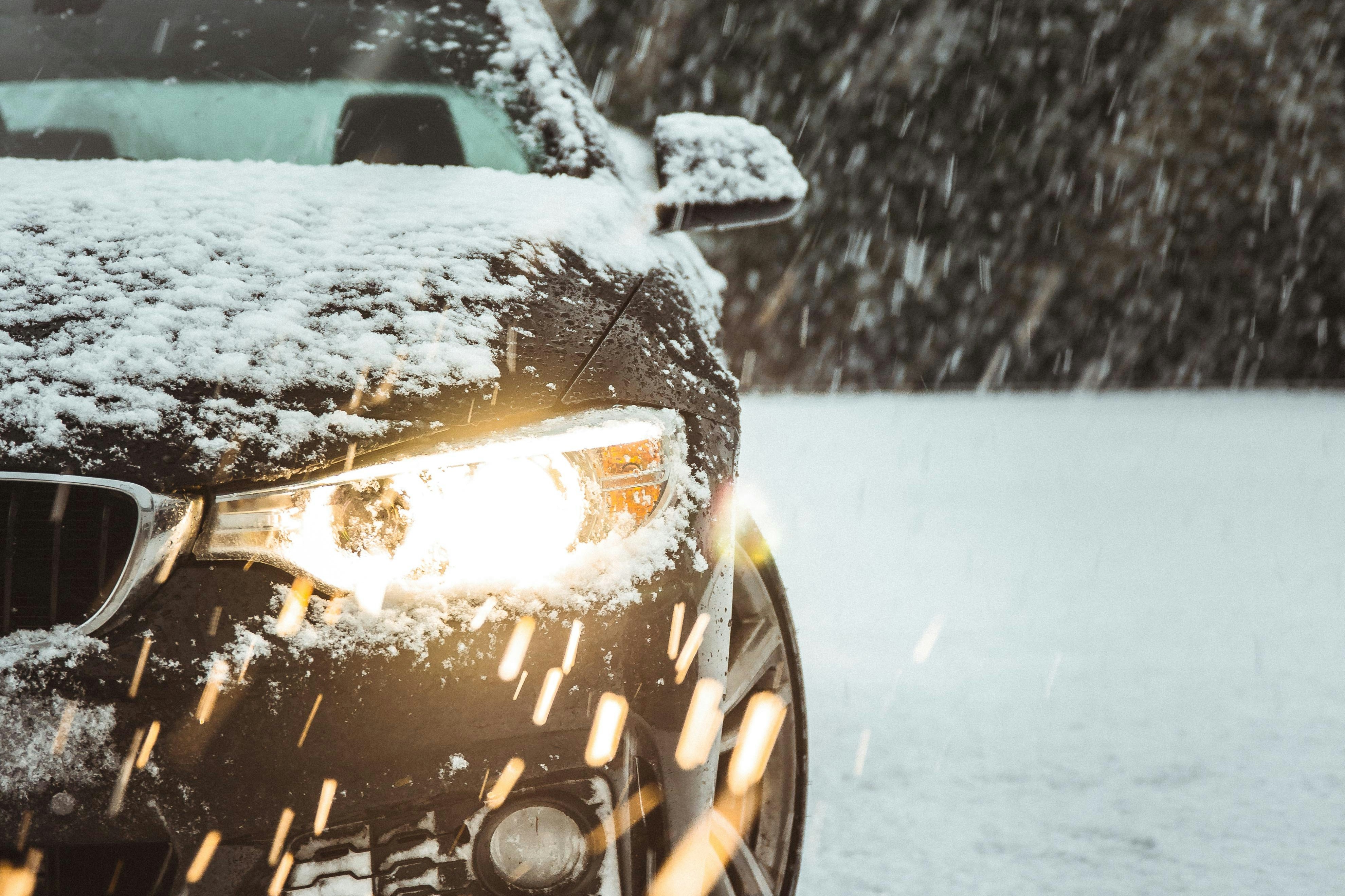
A Saturday-Sunday plan before the first hard freeze hits
We’ve all been there. You wake up to a colder morning than the week before, scrape a thin film of frost off the windshield, and think: I should really get the car ready for winter. Then Monday arrives, life gets loud, and the checklist stays in your head.
That first real freeze can sneak up on anyone. One weekend you’re in a light jacket. The next, your battery is struggling, your washer fluid turns into a cloudy brick in the reservoir, and a door weatherstrip that was fine in October decides it would rather freeze shut.
The good news is you do not need a week off work or a specialty garage for most of this. You can cover a surprising amount in one weekend: Saturday for the driveway checks you can do yourself, Sunday for anything that needs a quick shop look or a part you want installed correctly.
This is a practical game plan, not a scare campaign. Winterizing is about catching small problems before cold weather turns them into tow-truck mornings.
How to use this weekend plan
Saturday (driveway, about 60–90 minutes): Battery terminals and a visual once-over, tire tread and cold-weather pressure, wipers and washer fluid, weatherstripping lube, a heating and defroster check, and a quick look under the car for obvious drips or hanging parts.
Sunday (parts run + shop stop if needed): Coolant strength if you did not check it Saturday, any wiper blades or fluid you need, a battery load test if cranking feels slow, and an undercarriage or brake conversation if something looked off.
Keep a notepad in the car. Write down anything that feels different: slow cranking, a soft brake pedal, a heater that only blows lukewarm air, a TPMS light that flickers on cold mornings. Those notes help a tech diagnose faster than “it just seems weird.”
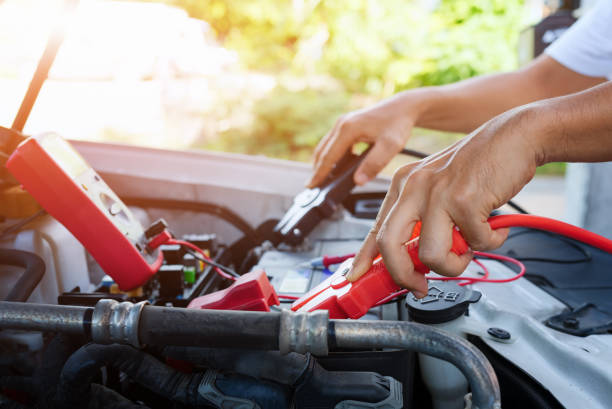
1. Battery health and corrosion (do this first)
Why winter cares: Cold slows the chemical reactions inside a lead-acid battery and makes the engine oil thicker, so the starter has to work harder. A battery that started the car fine at 60°F can look tired at 25°F. That is why so many “dead battery” calls land on the first cold snap of the season.
What you can check in the driveway: With the car off and parked safely, look at the battery terminals (or the remote posts under the hood if your battery is in the trunk or under a seat). White or blue-green crust around the posts is corrosion. Loose cable clamps can cause intermittent no-starts that feel like a failing battery.
If the terminals look crusty, do not scrub them with a metal brush while the car is running, and do not invent a chemistry experiment. Many people prefer to have a shop clean and protect the connections while they load-test the battery. That test measures whether the battery can deliver real cranking power, not just whether the dash lights up.
What to pay attention to: Slow cranking, especially after the car sits overnight. Clicking with no start. Needing a jump more than once. A battery older than about three to five years in a climate with hard winters.
What to do: If cranking already feels sluggish, get a load test this weekend instead of waiting for a frozen Monday commute. If you jump-start, follow your owner’s manual connection points and never lean over a battery that is hissing, swollen, or leaking.
Ask the shop: “What were the load-test results, and are the cables and grounds clean and tight?” A useful answer includes numbers or a clear pass/fail, not just “your battery is old.”
2. Tire tread and cold-weather pressure drop
What’s happening: Tire pressure drops as temperature drops – roughly about 1 PSI for every 10°F change. That means a tire that was perfect on a mild October afternoon can be several pounds low on a November morning without a puncture. Low pressure hurts handling, increases wear, and can trigger the TPMS light even when nothing is “wrong” with the tire itself.
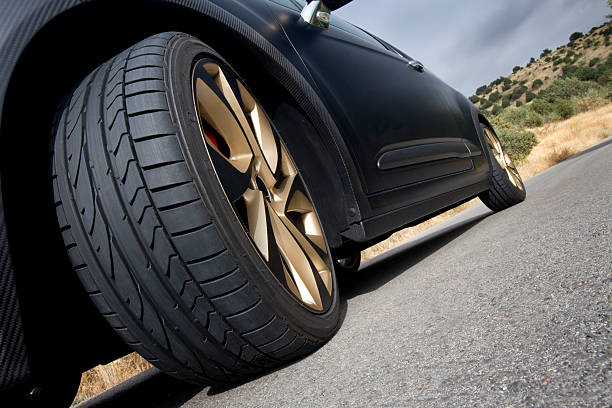
Tread matters more in wet and cold: Use the penny test or a cheap tread-depth gauge. Insert a penny into the tread with Lincoln’s head upside down. If you can see the top of his head, you are getting close to the legal minimum in many places and you have less grip in rain and light snow. Look for uneven wear, sidewall cracks, and bulges. A bulge is not a “watch it” item – that tire needs professional attention.
What to do: Check pressures cold (before a long drive) and set them to the door-jamb sticker, not the number molded on the tire sidewall. That sidewall number is the maximum for the tire, not your car’s recommended cold fill. Include the spare if you have a full-size or temporary spare you can access.
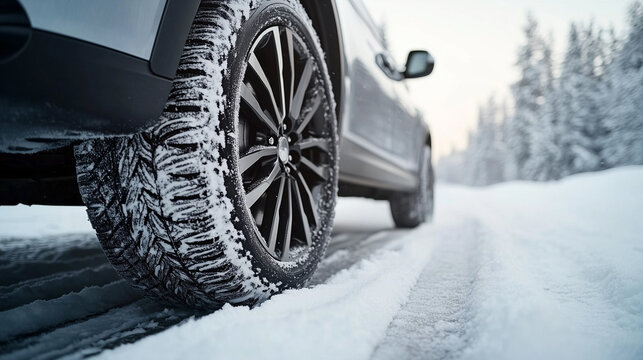
All-season tires can handle mild winter driving for many drivers, but worn all-seasons in freezing rain are a bad combination. If you regularly drive hilly back roads or make early trips when black ice is possible, talk honestly about tread depth and whether a seasonal tire strategy fits your roads.
Ask the shop: “What is the measured tread depth on each tire, and are pressures set to the door sticker for current temperatures?”
3. Wiper blades and winter washer fluid
What’s happening: Summer bug-wash fluid is often mostly water with detergent. In a hard freeze, it can freeze in the reservoir, the lines, and the nozzles. You turn on the washers for a salted windshield and get nothing – or worse, you stress a frozen pump. Winter-rated fluid is formulated to stay liquid at much lower temperatures.
Wiper blades that streaked “a little” in October will smear road film and salt spray all winter. Soft rubber also gets brittle in the cold. If the blades chatter, leave clear arcs, or leave a film, replace them before the first ice storm.
What to do: Top off or replace washer fluid with a winter formula rated for temperatures colder than you expect. Clear any ice from the nozzles gently – never poke metal into plastic tips. Lift the wiper arms carefully when clearing ice so you do not tear a frozen blade off the windshield.
A long-reach snow brush with an ice scraper belongs in the car now, not in the garage “for later.” Clearing the whole windshield, side windows, mirrors, and lights is part of winterizing your visibility, not optional styling.
Ask the shop: “Can you confirm the washer system is flowing and the blades seat cleanly across the glass?”
4. Coolant strength, hoses, and the heater that keeps you safe
What’s happening: Coolant (antifreeze mixed with water in the right ratio) carries heat away from the engine and also provides freeze protection. If the mixture is too weak, it can freeze, expand, and damage the radiator, heater core, or engine. Even when it does not freeze solid, a weak mix and old coolant can reduce corrosion protection.
Your heater and defroster depend on hot coolant circulating through the heater core. If the heater blows cold while the engine is warm, that can point to low coolant, air in the system, a stuck thermostat, or a heater-core / blend-door issue. In winter, a weak defroster is a safety problem, not a comfort complaint.
What you can check: With the engine completely cold, look at the translucent overflow reservoir level marks. Do not open a hot radiator or pressurized reservoir cap. Squeeze the upper radiator hose gently when cold – mushy, cracked, or oil-softened rubber is a reason for a shop look. Look for dried coolant residue (often crusty and colored) near hose clamps, the water pump area, or under the car.
What to do: If the level is low, do not guess the mix. Have the freeze point checked with a refractometer or test strip at a shop. Topping off with the wrong chemistry can cause problems in modern cooling systems. If you see steam, a climbing temperature gauge, or a sweet smell with rising temp, stop driving and arrange a tow.
Ask the shop: “What freeze protection reading did you get, and did you inspect hoses, clamps, and for external leaks?”
5. Door and trunk weatherstripping so nothing freezes shut
What’s happening: Rubber weatherstripping seals out water and wind. In winter, moisture sits in the folds, freezes overnight, and glues the door or trunk to the body. Yanking harder is how weatherstrips tear and how you start a Monday already late.
What to do: Wipe the seals clean, then apply a thin film of a silicone-safe rubber protectant or the product your owner’s manual recommends. Avoid heavy petroleum greases that can swell or degrade some rubbers. Pay attention to the bottom of the doors and the trunk seal, where water likes to collect. If a door already freezes shut, warm the seal gently from the outside – do not pour boiling water on glass or painted metal.
While you are there, confirm child locks and interior handles work the way you expect. Winter is a bad time to discover a rear door only opens from the outside.
6. Heating, defroster, and cabin filter reality check
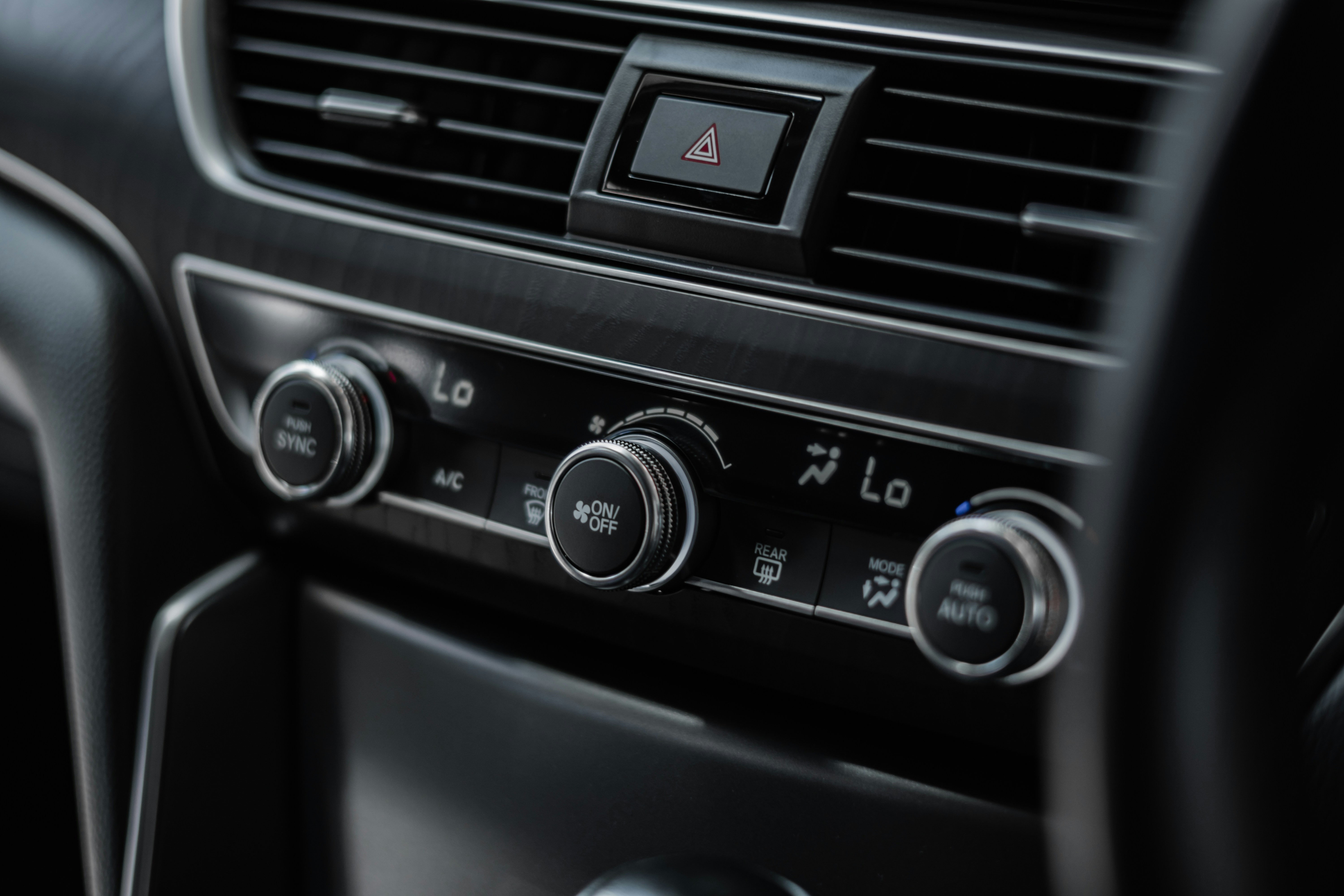
What to test on Saturday: Start the car, let it warm, and run the heater on hot. Switch to defrost and make sure air actually hits the windshield strongly. Try rear defrost if you have it. Fog that will not clear, weak airflow, or a musty blast when the fan first kicks on can mean a clogged cabin filter or moisture in the HVAC box.
A cabin filter is inexpensive relative to driving with poor defrost performance. If airflow feels muted on all vents, put “cabin filter” on the Sunday shop list.
What to do: If heat stays cold after a normal warm-up, treat it as a cooling-system or HVAC diagnosis, not something to “live with” until January. Clear windows are how you see brake lights and black ice.
7. Quick undercarriage and brake look before road salt starts
What’s happening: Road salt and brine help melt ice, but they also cling to underbody parts, brake hardware, and fasteners. You cannot fully “salt-proof” a daily driver in a weekend, but you can catch obvious issues before winter commuting begins.
Safe visual checks only: Park on level ground, set the parking brake, and look under the car without crawling under a vehicle supported only by a jack. Note fresh drips, a hanging heat shield, a loose splash shield, or a cable dragging. At each wheel, look through the spokes for uneven rust crust on the rotor face after sitting (light surface rust that clears after a few stops can be normal; deep grooves or scoring are not).
Brake feel check: On a quiet street, confirm the pedal feels firm and the car stops straight. Soft pedal, pulling, grinding, or a brake warning light means stop DIY weekend plans and get a professional inspection.
Ask the shop: “While it’s here for winter prep, can you check brake pad thickness, soft lines, and anything road salt will make worse?”
Sunday: the short shop stop that finishes the job
Bring your Saturday notes. A focused winterization visit might include:
- Battery load test and terminal service if needed
- Coolant freeze-point check and top-off with the correct chemistry
- Wiper blades and confirmation washer fluid is winter-rated
- Tire inspection with measured tread depths and cold pressures set correctly
- Cabin filter if airflow is weak
- Quick brake and underbody look before salt season gets serious
You do not need every possible upsell. You need clear findings: what is fine, what should be watched, and what is unsafe to defer. Ask for photos of anything they want to replace. A good shop will explain priority without rushing you.
Printable weekend checklist
- Battery: terminals clean/tight; note slow cranking; schedule load test if unsure
- Tires: tread depth OK; cold PSI set to door sticker; spare checked
- Wipers: blades clear glass; winter washer fluid topped off
- Coolant: cold reservoir level OK; no fresh leaks; freeze protection verified if due
- Weatherstrips: cleaned and lightly protected so doors do not freeze shut
- Heat/defrost: strong airflow; windshield clears; cabin filter if weak
- Brakes/underbody: firm pedal; no grinding; no dragging parts or active leaks
- Kit starter: ice scraper/brush in the car (full emergency kit is a later post)
A calm car is a winter win
Winterizing is not about perfection. It is about removing the failures that love cold weather: weak batteries, low tires, frozen washer fluid, tired wipers, and seals that ice over. One weekend of attention now beats a dark roadside morning later.
Have a question about your car’s battery age, tire setup, or what “good enough” tread looks like for your commute? Drop it in the Ask Alexia form in the sidebar.


Leave a Reply