
What That Squeal, Grind, or Clunk Really Means
It’s Halloween week, and your car has apparently decided to contribute to the sound effects.
Maybe it squeals at the first stop sign.
Maybe something clunks every time you hit a bump.
Or maybe there’s a new hum on the highway, and you’re wondering whether you just never noticed it before.
The frustrating part is that the same sound can have several causes. A squeal can come from brakes or a belt. A clicking noise while starting means something different from clicking while turning into a parking space.
That’s why when the noise happens matters as much as what it sounds like.
Let’s break down ten common car noises: what the parts involved actually do, what could be going wrong, and what should happen next.
1. A high-pitched squeal when you brake
What it sounds like: A sharp squeak or squeal as you press the brake pedal, sometimes more noticeable at low speeds.
Your brake pads press against metal discs called rotors to slow the car. Some pads have a small metal wear indicator designed to contact the rotor and make noise when the friction material gets thin.
But squealing doesn’t automatically mean the pads are worn out. Moisture, surface rust, pad material, and problems with the brake hardware can also cause it. A brief squeak after a damp night that disappears after a few normal stops is different from a squeal that follows you through every intersection.
What to pay attention to: Does it clear quickly? Did it start after brake work? Is it becoming more frequent? Does the pedal feel the same?
What to do: Schedule an inspection for persistent or worsening squealing. If the pedal feels soft, the car pulls when braking, or stopping takes longer, pull over safely and arrange help.
Ask the shop: “How much pad material is left, and what is causing the noise?” A useful answer should include what they measured and found.
2. Grinding or scraping when you brake
What it sounds like: A rough, harsh scraping sound when you press the pedal, sometimes with vibration you can feel.
One serious possibility is that a pad’s friction material has worn away, allowing its metal backing to contact the rotor. That can damage the rotor and compromise braking.
Grinding can also involve debris or another brake component. The sound alone doesn’t prove which part failed, but persistent grinding deserves immediate attention.
What makes it different from a squeal: Squealing can be a wear warning. Grinding can mean the protective friction material is already gone. Waiting can expand the repair beyond the pads.
What to do: Stop somewhere safe and contact a shop or roadside assistance about getting the car inspected. If braking feels different, stopping distance increases, or the pedal sinks unusually low, have it towed.
Ask the shop: “What caused the grinding, and what condition are the pads, rotors, and calipers in?” Ask them to explain why each recommended part needs replacement.
3. Squealing from under the hood at startup
What it sounds like: A loud squeal when the engine starts, sometimes returning during acceleration or when an accessory switches on.
The accessory drive belt, often called the serpentine belt, transfers engine power to components such as the alternator and air-conditioning compressor. Depending on the vehicle, it may also drive the water pump or hydraulic power-steering pump.
The belt needs proper tension and alignment to grip its pulleys. A worn belt, weak tensioner, pulley problem, or fluid contamination can produce noise. Replacing only the belt won’t solve every squeal.
What about squealing while turning? On a car with belt-driven hydraulic power steering, turning adds load to that system. Many newer vehicles use electric assistance, so that explanation doesn’t apply to every car.
What to do: Arrange an inspection if the noise keeps returning. If it comes with suddenly heavy steering, a charging warning, or rising engine temperature, pull over safely.
Ask the shop: “Did you check the tensioner, pulleys, and possible leaks as well as the belt?”
4. Clunking when you go over bumps
What it sounds like: A knock, thud, or loose metallic clunk over potholes, driveway entrances, or uneven pavement.
Your suspension lets the wheels move over the road while helping keep the tires planted and the vehicle controlled. It includes joints, links, mounts, and bushings – cushioning pieces that limit unwanted movement.
When something wears or loosens, parts can shift and knock together. Possibilities include sway-bar links, worn bushings, strut mounts, or ball joints. Those repairs have different implications. A ball joint, for example, helps connect the wheel assembly to the suspension and allows movement needed for steering.
Check this first: While parked, secure loose tools, cargo, the jack, and the spare tire. Sound travels, and something loose in the trunk can be surprisingly convincing.
What to do: Book a suspension inspection if the clunk persists. If steering feels loose, the car wanders, or a wheel appears out of position, stop driving and arrange help.
Ask the shop: “Which component has excessive movement, and can you show me?”
5. Repeated clicking when you turn
What it sounds like: A rhythmic click-click-click during a tight turn, particularly while applying power.
A worn outer CV joint is one possibility. CV stands for constant velocity. These joints allow a driven wheel to receive power while the steering and suspension change its angle.
A flexible rubber boot keeps grease inside the joint and dirt out. If the boot tears, grease can escape and contamination can accelerate wear. Repeated clicking during turns is a recognized symptom of outer CV-joint damage.
Why catching it early matters: A damaged boot found before the joint wears may allow a different repair from a joint that is already clicking. Once worn, the joint may need replacement, often as part of an axle assembly.
What to do: Arrange a prompt inspection. Report whether it happens turning left, right, or both ways. Strong vibration, severe clunking, or changes in handling call for stopping safely.
Ask the shop: “Is the boot damaged, is the joint worn, and what repair does this axle actually need?”
6. Humming, growling, or roaring that gets louder with speed
What it sounds like: A low drone that builds as the car travels faster, sometimes resembling unusually loud tire noise.
A wheel bearing is one possibility. Bearings allow the wheels to rotate smoothly while supporting the vehicle’s load. Wear can produce humming, rumbling, or growling that changes with vehicle speed or during turns. Sound can travel through the body, making the affected corner difficult to identify by ear.
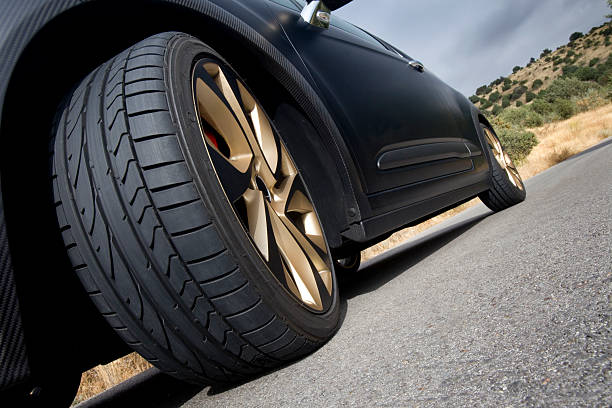
Tires can make similar sounds. Uneven tread wear can create a hum or roar, and some tread patterns are naturally louder than others.
Useful clues: Does the sound change on different pavement? Did it begin after tire work? Does it track road speed rather than engine speed?
What to do: Schedule an inspection instead of assuming it is ordinary road noise. Sudden severe vibration, wobbling, or unstable steering means stop safely.
Ask the shop: “What confirmed the bearing diagnosis, and did you inspect the tires?”
7. Clicking when you try to start the car
What it sounds like: Rapid clicking, or one solid click, when you turn the key or press the start button – but the engine doesn’t crank.
The starter motor needs substantial electrical power to turn the engine. A weak battery or poor cable connection can prevent that power from reaching it.
With insufficient voltage, the starter’s switching mechanism can engage and release repeatedly, producing rapid clicks. A single click can also involve power delivery, starter contacts, or the starter itself. Neither pattern proves which part needs replacing.
A common misunderstanding: Working dashboard lights don’t prove the battery can start the engine. Lighting the dash takes much less power than cranking.
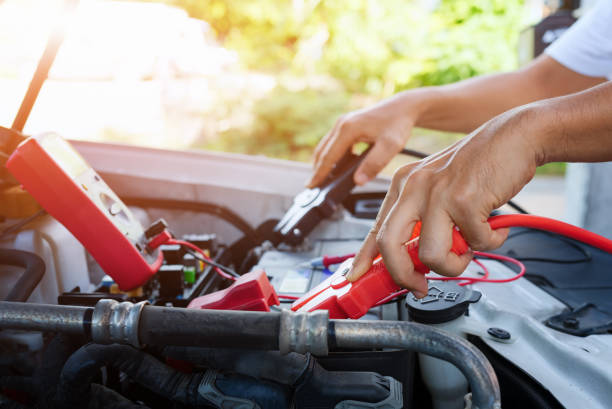
What to do: Avoid repeated starting attempts. Arrange battery and starting-system testing. If considering a jump-start, follow the vehicle’s manual and use the designated connection points.
Ask the shop: “Did the battery fail testing, or is there a connection or starter-circuit problem?”
8. A tinny rattle or buzz underneath the car
What it sounds like: Thin metal vibrating at idle, during startup, or within a particular range of engine speeds.
A loose exhaust heat shield is one possibility. These shields help protect nearby parts and the vehicle’s underside from exhaust heat. A loose attachment can let a shield vibrate.
Other possibilities include worn exhaust hangers, a pipe contacting the body, or damaged components inside the muffler or catalytic converter. Exhaust-system diagnosis involves checking the supports, joints, clearances, and components—not simply replacing whichever part sounds closest.
What to notice: Does it happen while parked with the engine running, or only over bumps? Is it a light buzz, or does something sound like it is dragging?
What to do: Arrange an inspection. A dragging exhaust, smoke, burning smell, or fumes entering the cabin needs immediate attention.
Don’t crawl under a running car or reach around a hot exhaust to find the rattle.
Ask the shop: “Is the noise from a loose shield or support, or from inside an exhaust component?”
9. Hissing from under the hood
What it sounds like: Escaping air or a steady hiss, possibly accompanied by steam, a smell, or rough running.
Hissing can involve escaping pressure or an air leak. The other symptoms help determine the urgency.
Hissing with steam, a sweet smell, or rising temperature: A cooling-system problem becomes a concern. Coolant carries heat away from the engine; a leak or circulation problem can allow overheating.
Hissing or whistling with rough idle: An intake-air leak is another possibility. Air entering where it shouldn’t can affect how the engine runs.
What to do: If steam appears or the temperature warning comes on, pull over safely, shut off the engine, and arrange assistance. Keep clear of escaping steam.
Never open the radiator or coolant reservoir cap while the engine is hot. Pressurized hot coolant can cause serious burns.
Ask the shop: “Where is the leak, and what testing confirmed it?”
10. Knocking or heavy tapping from the engine
What it sounds like: A new, pronounced knock or metallic tapping that follows engine speed.
Engine noises have several possible causes. A deep knock can indicate internal wear or damage. Tapping can involve moving components that aren’t receiving adequate lubrication. Combustion-related knocking is another category altogether.
That distinction matters because “engine knock” describes a sound, not one specific failed part.
Engine oil helps keep moving surfaces separated and carries heat away. If oil pressure falls, those parts may lose the lubrication they need. Low-pressure warnings combined with knocking or ticking deserve urgent attention.
What to do: For a new loud knock, especially with an oil-pressure warning, stop safely and shut off the engine. Arrange a tow. Don’t keep restarting or revving it to see whether the noise clears.
One important distinction: An oil-pressure warning is different from an oil-change reminder. Adding oil also doesn’t prove that pressure is restored or the underlying problem is fixed.
Ask the shop: “Was oil pressure measured, and what evidence identifies the source of the knock?”
Can it wait? A quick reference
These are starting points. A sudden change in braking, steering, temperature, or engine operation raises the urgency regardless of the sound.
| Noise or symptom | What to do |
|---|---|
| Brief brake squeak after damp weather that clears completely, with normal braking | Monitor for recurrence |
| Persistent brake squealing | Schedule a brake inspection |
| Persistent grinding while braking | Stop safely and arrange immediate inspection; tow if braking changes |
| Recurring belt squeal | Arrange an inspection; stop for heavy steering, charging warnings, or overheating |
| Clunking over bumps | Arrange an inspection; stop if steering or stability changes |
| Repeated clicking during turns | Arrange a prompt axle and joint inspection |
| New humming or growling with road speed | Have tires and bearings inspected; stop for severe vibration or wobbling |
| Clicking with no engine cranking | Arrange battery and starting-system testing |
| Metallic underbody rattle | Arrange inspection; stop for dragging parts, smoke, or cabin fumes |
| Hissing with steam or overheating | Pull over safely, shut off the engine, and get help |
| New loud engine knock or oil-pressure warning | Pull over safely, shut off the engine, and arrange a tow |
A flashing check engine light also needs urgent attention, particularly with shaking, power loss, or a new noise. Reduce load on the engine, find a safe place to stop, and get assistance. Continuing can cause damage. Follow your vehicle’s warning instructions.
How to describe the noise so the shop can find it
You don’t need to diagnose your car before calling. Good observations are more useful than anything.
Compare these descriptions:
“My car makes a noise.”
“There’s a repeating click from the front when I turn right into a parking space. It started three days ago, and I hear it while accelerating.”
The second gives the technician a situation to investigate.
Before calling, note (if possible & safe to do so):
- Your vehicle: Year, make, model, and approximate mileage.
- The trigger: Braking, turning, accelerating, starting, idling, or crossing bumps.
- The conditions: Cold engine, warmed up, wet weather, or a particular speed.
- The pattern: One clunk, repeated clicks, or a continuous hum.
- Other symptoms: Warning lights, vibration, smells, leaks, or changes in handling.
- Recent events: A pothole, tire rotation, brake repair, or other work.
A recording can help with an intermittent sound. Record while safely parked or have a passenger handle the phone. Don’t recreate a dangerous situation to capture it.
If the shop can’t reproduce the noise, ask whether a ride with the technician would help, provided the vehicle is safe to drive.
Before you approve the repair
A noise is a reason to investigate. The inspection should establish what needs fixing.
You can ask:
- “What did you find that explains the sound?”
- “Can you show me the wear, damage, or test result?”
- “Does this affect safety, reliability, or mainly comfort?”
- “Which repairs are urgent, and which can be planned?”
- “Does the estimate include everything needed for this repair?”
You deserve an explanation you understand before making a decision. You don’t have to know every component’s name to ask for one.
Got a noise I didn’t cover?
Send it through Ask Alexia with your car’s details, when it happens, and anything else you’ve noticed. If it’s on your mind, someone else is probably wondering about it too.
If the car is overheating, losing braking or steering ability, or making a loud new engine knock, get immediate assistance instead of waiting for a reply.
Happy Halloween – Hopefully the only thing rattling this week is the skeleton on your porch 🎃.



Leave a Reply